Small Space, Big Potential: Smart Transformations That Multiply Every Square Foot
Mapping the Flow: Reimagining Circulation in Tight Quarters
Zoning with Light and Lines
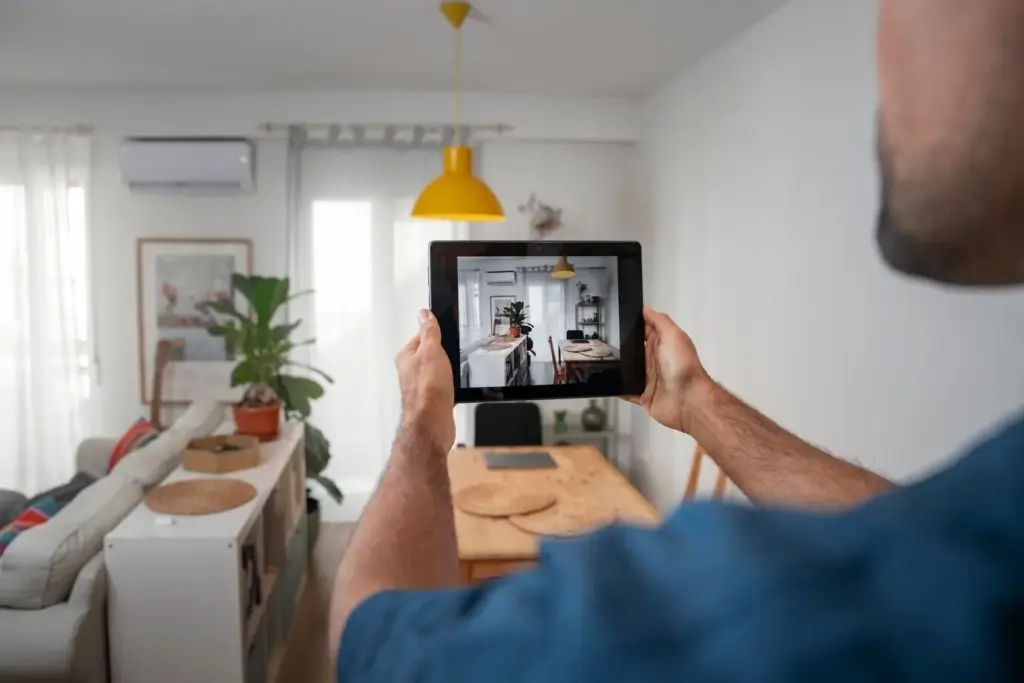
Gentle zoning begins with daylight, sightlines, and small shifts in surface texture. A narrow rug or linear ceiling track can guide feet without building walls. Position the brightest area for productive tasks, reserving cozier, lower-light corners for winding down. Establish one clear pathway at least shoulder-wide, then align furniture edges to reinforce that effortless route from door to window, kitchen to desk, and desk to bed.
Door Swings and Sliding Alternatives
Traditional door swings can swallow precious circulation, turning corners into obstacles. Replacing them with sliding, pocket, or bifold solutions returns usable floor space while keeping privacy. Where swinging panels remain, set them to open against rarely used surfaces, not walkways. Consider narrow jambs and soft-close hardware to reduce visual bulk and nighttime noise, allowing early risers and late sleepers to coexist without accidental wake-ups or clumsy maneuvers.
From Dead Corners to Active Niches
Corners often collect dust and random chairs. Convert them into active niches by carving a micro-desk, a charging shelf, or a plant stand that directs flow rather than blocking it. Rounded furniture helps avoid toe stubs, while wall-mounted hooks redirect bags upward. With a few felt glides and a measured sketch, the forgotten corner becomes a useful waypoint that organizes backpacks, outerwear, and keys without crowding your main route.
Murphy Systems Done Right
Sofa-Bed Tradeoffs

Fold-Out Tables and Drop Leaves

Vertical Storage Strategies: Building Up, Not Out
Flexible Partitions: Privacy Without Losing Air and Light
Sliding Glass with Acoustic Films
Sliding glass maintains sightlines while thin acoustic films soften conversation bleed. Specify top-hung tracks for smooth glides and continuous flooring below. Frosted panels protect modesty at night but glow beautifully under morning light. Choose handles with low projection to avoid snags, and add brush seals to tame drafts. With thoughtful layering—sheer curtains, rugs, and upholstered pieces—you’ll enjoy clarity and quiet, achieving privacy that feels modern rather than heavy or claustrophobic.
Curtains, Tracks, and Stackable Panels
High-quality curtains on ceiling tracks pivot instantly from open loft to calm retreat. Pair dense fabrics with sheer liners to finesse transparency, then add corner returns to seal gaps. Stackable felt or cork panels offer pin-up function for lists, art, and ideas. Keep the stack parked above a cabinet or behind a bookcase when not in use. By evening, your workspace disappears; by morning, everything rolls back with an easy tug.
Kitchens and Wet Zones: Compact Utilities That Feel Generous


A Layered Lighting Plan That Guides Behavior
Begin with an even ambient wash from low-profile fixtures, then place task lights precisely where hands and eyes labor—desk, sink, cooktop, bedside. Reserve warm accents for shelves and art to anchor evenings. Dimmers unify the scene, while smart controls automate transitions across dayparts. Keep cords concealed, reflections intentional, and switches logically sequenced near entries. The right cue at the right time reduces decision fatigue and makes even tiny rooms feel composed.
Reflective Surfaces and Pale Hues
Pale, warm neutrals widen walls, while satin finishes keep reflections gentle rather than harsh. Mirror strategically, not excessively: opposite a window for daylight bounce, never where clutter multiplies. High-gloss cabinet doors above eye level can lift the ceiling visually. Temper brightness with textured textiles so the space remains humane. The aim is calm brightness that flatters skin, supports reading, and coexists with plants, wood tones, and cherished personal objects.
Accent Saturation for Depth
A single saturated color, used sparingly, can deepen perspective and organize micro zones. Paint a recessed shelf in a rich tone or wrap a short wall to frame the desk. Echo that hue in a pillow or poster, then let surrounding neutrals reset the eye. This selective intensity creates a destination point without crowding. When daylight shifts, the accent transforms mood, signaling work mode in morning and unwinding after sunset.
Real-Life Transformation Story: A 22 m² Studio Becomes Three Rooms in a Day




All Rights Reserved.